Parliament's on break. Your advocacy shouldn't be.

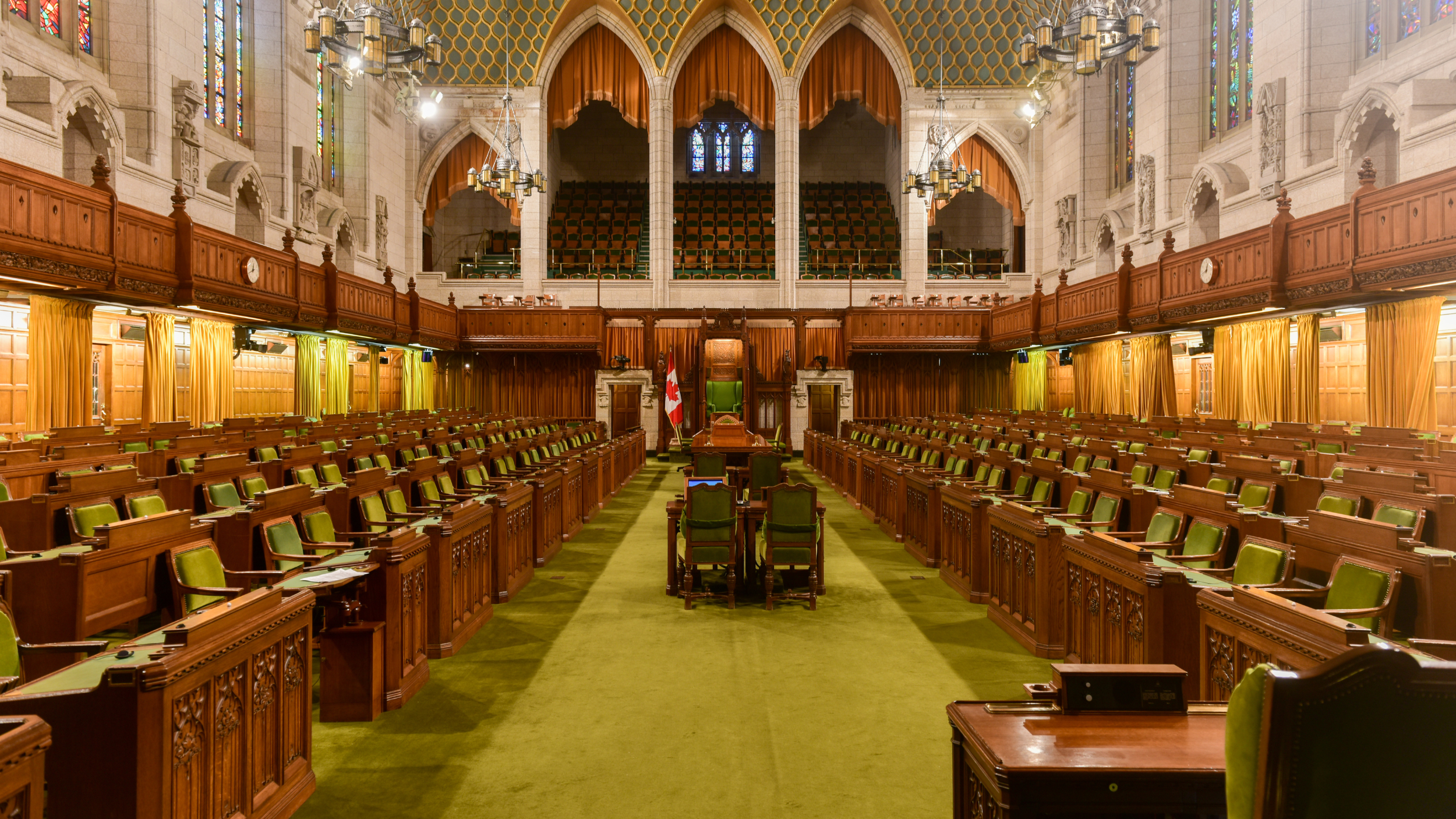
Somehow, we’re already at the halfway point of 2026, and with it comes the official start of summer break for the House of Commons – after weeks of late-night sittings, committee meetings and legislative reviews. But, in this case, “break" might be a bit of a misnomer. Just because the House isn’t in session doesn’t mean that Members of Parliament, Ministers and the teams of staffers and bureaucrats that keep the government running are taking the summer off – and government relations professionals shouldn’t be, either.
Rather than a grinding halt, the summer hiatus provides time for a shift - a step back from the daily hustle and bustle of Parliament Hill to focus on the long(er) game a bit closer to home. What that long(er) game is depends a lot on who you are.
If you’re a Minister, you probably already know that your summer will involve a lot of signing off on program design and implementation work for items announced in the Budget or Spring Economic Update. That’s above and beyond the expectations on your time to tour various regions across the country with relevance to your portfolio, whether for echo announcements, to hear from relevant stakeholders or just to make your presence known. You’ll also be looped into cabinet planning processes as the government looks ahead to the fall.
For civil servants, your summer will focus on designing and advancing the programs the government has committed to in Budget 2025 or the Spring Economic Update. This is above and beyond maintaining existing programs – from application funding cycles to statutory programs and everything in between. Bureaucrats’ work will also involve "vetting" the ideas crossing Parliamentarians' desks for Budget 2026 – whether internal proposals from other offices or those from external stakeholders that require validation.
Members of Parliament may be less pressed for time than their ministerial counterparts, but that doesn’t mean their calendars aren’t hectic. MPs spend much of the year in Ottawa, and that puts them at a disadvantage when it comes to the "ground game" in their home ridings. You can expect to see your MP spending the summer at community events or meeting with stakeholders – either from their community or who represent issues that they care about. Maybe you’ve got a pet project that you’re hoping to push forward – the summer is the time to research it and lay the groundwork.
All this to say, summer is a little different than Parliament Hill’s "business as usual," but it is anything but time off. And GR professionals in the Ottawa bubble should view this as a "break" at their peril.
The reality is that summer, when you’re not focused on Hill Days or committee appearances, is the perfect opportunity for those looking to shape government policy to do much the same thing the government is doing. This includes grassroots engagement, increasing the intentionality and targeting of advocacy efforts, planting the seeds for future policy priorities, and positioning themselves as resources during the policy design process for initiatives already underway.
Build Budget Submission Traction
Budget submissions may have closed (although we can expect another later in the summer – more on that later!), but the period in the interim is an opportunity to conduct targeted advocacy on the items in your submission. With over 900 submissions made to the House of Commons’ Standing Committee on Finance, simply submitting a brief is not enough. It’s what you do after you’ve checked the box that determines whether your ideas gain traction.
This includes building champions across Parliament Hill, whether by meeting with MPs on key committees and asking them to write letters of support, or engaging opposition members to demonstrate to the government that your idea has cross-partisan support. Similarly, identify other stakeholder groups that could act as co-champions or validators for your ask, and explore opportunities for collaborative advocacy.
Engage the Players Behind the Minister as Champions
The time between the FINA committee submission and the submission to the Department of Finance is also time that should be used wisely to "hone" your asks and make them more appealing on both a political and policy level. Civil servants and policy advisors in the Minister’s Office are the ones who will have to work through the scenarios and feasibility of any policy idea that lands on a Minister’s desk. Make sure they’re already familiar with your recommendations before that happens.
Identify the key individuals who focus on each policy area and request to meet with them - not to give them the "hard sell," but to share your ideas and genuinely seek out their thoughts. People are more likely to become active proponents of an idea they feel ownership over, so give them an opportunity to help shape it. Ask lots of questions – if they don’t like your approach, would another approach be better? Are there other people you should be talking to? Offer to keep them updated on your advocacy moving forward.
Master Your Brief, But Master Theirs Too
Take your time engaging with civil servants to ask about the status of items that are already underway. Just because something is announced in a Budget doesn’t automatically provide a timeline for implementation, nor does it mean that all the details of how a program will actually be structured or administered have been ironed out. While general frameworks often already exist, the specific details are frequently developed well after the program itself has been announced and publicly committed to.
Stakeholder input doesn’t necessarily feed into every one of these design processes, but it does for many. Ask questions about potential sticking points. Offer to provide support or external perspectives. Show a willingness to do the legwork where needed to build a relationship that is collaborative rather than transactional.
Meeting MPs Where They’re At - With the People That Voted for Them
For member-based associations, particularly those with national reach, the summer is a unique opportunity for much greater access to local MPs. Arm your local members with an understanding of effective advocacy, an understanding of the asks you want to push forward and, most importantly, help them find ways to ground these national asks in the local context. What are the current implications this is causing in your community? Identify opportunities to engage your MP not only through formal meetings, but at local barbecues and community events. Where applicable, you could even work to coordinate “site tours” of the organization’s facilities in the riding.
Consult, Survey and Do Your Homework
In this increasingly online age, people like to say that "consultation" is overused. But I’d argue it’s not overused; it’s just often done badly, or to check a box. When used appropriately, it’s an invaluable way to get information that will both make the respondent feel listened to and better position the organization to say its advocacy is truly member-informed.
This consultation could be focused on getting a “lay of the land”, identifying key issues or determining which items your members are most engaged in. It could also be a formal polling of a specific population or of the country at large. This information will not only strengthen your advocacy in the fall and engage your members – it will also demonstrate to government that you’ve done the legwork to ensure there is an appetite for the ask and that it would be received well politically.
In the same vein, spend as much time listening to your detractors as to those who point out issues with your advocacy. Addressing or developing responses to this criticism proactively ensures you are prepared if the same criticism is received at higher levels of government later in the year.
Build a Road Map for the Year
As the saying goes, "plans are worthless, but planning is everything." Inevitably, the year ahead will be filled with unexpected developments, twists and turns (who said Canadian politics was boring?!). But that doesn’t mean you shouldn’t use the summer to make a plan for what you can control in the year ahead.
What are the goals you’d like to work towards in 2026-27, and what are the tactics that can help push you in that direction? Are there particular policy directions you’d like to focus on? Particular people or offices you’d like to build better relationships with? Events or campaigns you’d like to host or coordinate with others?
Pick a few high-level priorities, then use them to build a "best-case" framework for the year. Include timelines and delegations, and share them with as many partners as you can to increase buy-in and opportunities for collaboration. Be ambitious, but also realistic. Instead of fearing the unexpected twists and turns, try to plan in contingencies, and use this as a road map you can regularly check in with over the year.
Yes to all of that, but…

I said above that summer break isn’t really a "break." That said, it doesn’t mean you shouldn’t take time off too – actually, you really, really should.
"Work-life balance" has been thrown around so much that it’s becoming a cliché. But while it’s been a long, busy year for government, the same is true for the many stakeholders, advocates and lobbyists that make up the Ottawa ecosystem.
Take the time to plan, to build relationships and to target your advocacy – but also take the time to recharge and recalibrate. A week on a beach without your computer won’t make you worse at your job – in fact, it’ll help you come back refreshed and better prepared to take on what promises to be another anything-but-quiet year in Ottawa.
Ready to turn the summer lull into a head start? First Lake Solutions helps organizations sharpen their advocacy and plan for the year ahead. Let's talk about your fall strategy → Contact us today.
About the Author

Lydia Houck is a Senior Advisor at First Lake Solutions and is an experienced policy professional and advocate who has held leadership roles across the public and non-profit sectors.
She previously served as a Policy Advisor to Canada's Minister of Housing, Infrastructure and Communities, where she helped develop and implement supply-focused measures under Canada's Housing Plan.